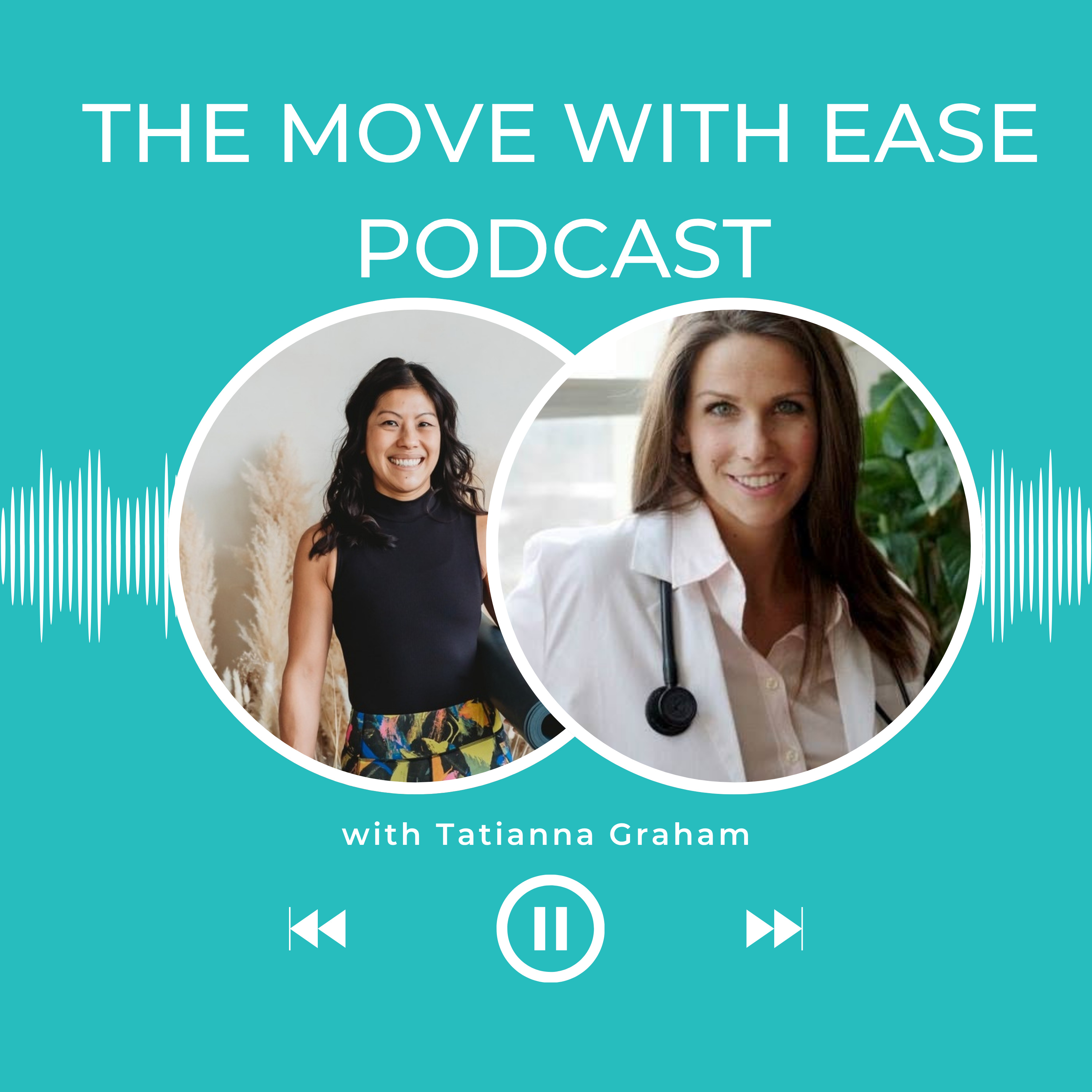



For many women in their 40s, feeling just "fine" can mean grappling with symptoms like unpredictable energy, shifting moods, and foggy brain. But what if there's more beneath this surface discomfort? What if these experiences aren't just a part of aging, but rather a call from your body for support? In my conversation with Dr. Sophie McLeod, a foremost expert on women's hormonal health, we dissect the nuances of perimenopause. It's a stage often misunderstood but crucially important to women's health during midlife.
Unveiling Perimenopause: Common Symptoms and Misconceptions
Perimenopause often begins subtly with symptoms that resemble everyday stress or other health issues, leaving women confused and unprepared. A common belief is that if menstruation is regular, perimenopause isn't a concern. Dr. McLeod clears up this misconception, stating,
"One of the greatest misconceptions for a lot of women is they think because their cycle is very regular, that they can't be in perimenopause."
In reality, the onset of perimenopause can include mood shifts and sleep disruptions, even before menstrual changes occur.
Recognizing these signs is essential, yet social stigmas around aging often hinder open discussions. Embracing perimenopause as a natural phase allows for proactive intervention, offering relief from more dramatic symptoms that may develop later. Dr. McLeod stresses the importance of understanding these shifts as not merely anomalies but as signals requiring attention and adjustment.
Ultimately, demystifying perimenopause and removing the associated stigma empowers women to address their health holistically. This proactive approach helps them prepare for more significant changes in their late 40s and beyond, enabling them to manage their health with confidence.
Proactive Strategies for Thriving Through Perimenopause
The key to navigating perimenopause lies in proactive health strategies. Dr. McLeod emphasizes starting early with personalized interventions, noting,
"You have to start changing and shifting the way you eat, you move and you sleep."
She advocates for a focus on metabolic health through diet, maintaining cardiovascular health, and building bone density early.
Strength training emerges as a critical practice, not just for muscle building but for sustaining bone health as well. "Building muscle early is akin to investing in a health savings account, providing returns in the form of reduced age-related decline," Dr. McLeod elaborates. This approach extends to dietary changes, advocating for increased vitamin D intake and reducing processed foods to bolster long-term health.
Hormone replacement therapy (HRT) remains controversial, yet when used responsively and early, especially with bioidentical hormones, it offers substantial relief from perimenopausal symptoms. Dr. McLeod assures these therapies can significantly improve a woman's quality of life, supporting everything from cardiovascular to cognitive functions.
Challenging Myths and Embracing Change
Many women grapple with outdated myths about hormonal changes and treatments, often hesitant to embrace HRT due to historical misgivings. However, Dr. McLeod highlights, "There's definitely a challenge when it comes to testing hormones, because it does change so much over the course of a menstrual cycle." She notes the importance of treating the symptoms themselves, rather than relying solely on blood test results.
Today's HRT, particularly bioidentical forms, offers a safe, effective means of supporting systemic health during perimenopause. Dr. McLeod emphasizes the extensive benefits of such treatments, reassuring women that these modern approaches can be crucial in managing peri-menopausal changes effectively.
Ultimately, it's about shifting from fear and misunderstanding to informed choices, guiding women towards options that complement their unique health profiles. This emphasis on knowledge and empowerment is central to thriving through perimenopause, transforming a daunting transition into a period of personal growth and vitality.
Redefining Wellness in Midlife
Perimenopause is not just a health challenge but a juncture to redefine wellness in midlife. Dr. McLeod envisions thriving as "being able to focus on your own health, doing the activities that you love, and filling up your own cup." Her insights highlight the importance of understanding this transition as an opportunity to advocate for one's health, build resilience, and prepare for future wellbeing.
By addressing symptoms with personalized strategies and informed choices, women can stave off long-term risks associated with cardiovascular, metabolic, and bone health. Reprioritizing health enables women to redefine their approach to aging, focusing on proactive interventions rather than reactive solutions.
Ultimately, embracing perimenopause with confidence and education transforms this life phase from something to be endured into an empowering journey of self-care and self-discovery. For a deeper exploration and actionable insights, this episode offers a wealth of guidance and encouragement to support you through this transformative journey.